Sweet Futures: The Innovative World of Sugar Alternatives
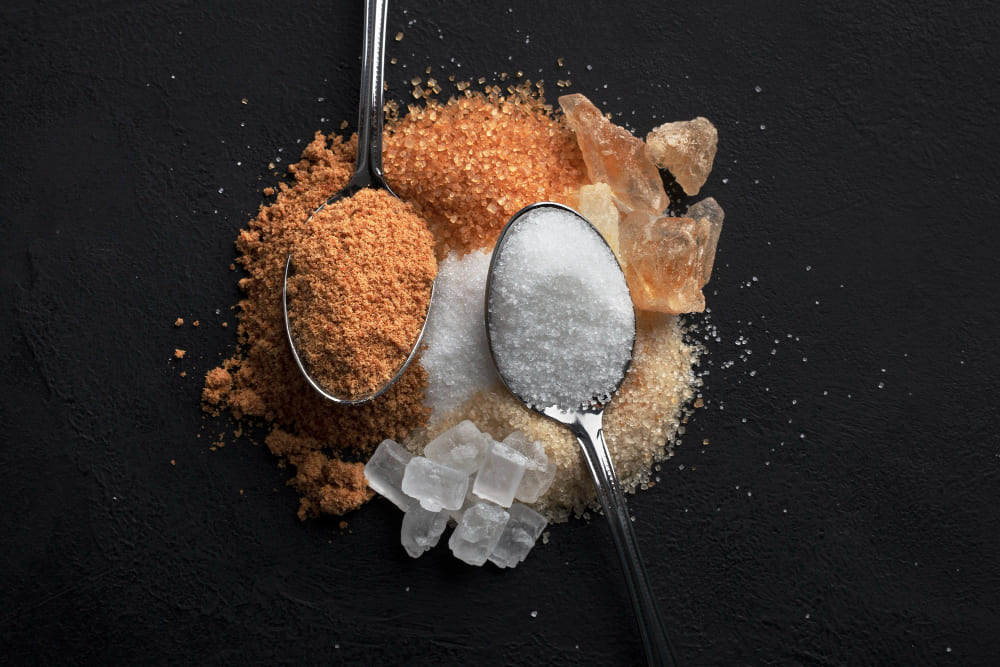
As health-conscious living becomes more mainstream, the quest to satisfy our sweet tooth without compromising wellness is driving a sweet revolution. Refined sugar, once a pantry staple, is now being replaced with smarter, healthier alternatives that promise the same taste with fewer health drawbacks.
Why the Shift from Sugar?
Refined sugar has long been linked to a variety of health issues, including obesity, diabetes, heart disease, and tooth decay. With growing awareness, consumers are demanding low-glycemic, low-calorie, and more natural options. This has opened the door for innovative sugar substitutes to enter the market.
The Rise of Plant-Based Sweeteners
Natural sweeteners like stevia and monk fruit extract are gaining traction due to their plant-based origins and negligible calorie counts. Stevia, derived from the leaves of the Stevia rebaudiana plant, is up to 300 times sweeter than sugar and has a zero glycemic index. Monk fruit, used in traditional Chinese medicine, is another powerhouse, offering sweetness without the blood sugar spikes.
Allulose: The Sugar That Isn’t
Allulose is a rare sugar found in small amounts in fruits like figs and raisins. It tastes remarkably similar to table sugar but has only a fraction of the calories. What makes allulose even more intriguing is that it isn’t metabolized by the body, making it a favorable option for diabetics and keto dieters alike.
Sugar Alcohols: The Sweet Middle Ground
Options like erythritol and xylitol are gaining popularity, especially in sugar-free gums and baked goods. While these sugar alcohols are lower in calories than sugar and less likely to affect blood sugar levels, some people may experience digestive discomfort with excessive consumption.
Dates, Maple Syrup, and Coconut Sugar: Nature’s Classics
For those seeking whole-food alternatives, ingredients like dates, maple syrup, and coconut sugar provide a sweet fix along with added nutrients. Though still forms of sugar, they contain antioxidants, minerals, and fiber, making them more wholesome choices in moderation.
The Future is Functional
What’s next? Scientists are working on sugar substitutes that not only taste good but also support health in other ways—like boosting gut health or offering prebiotic benefits. Expect to see more blends, smarter labeling, and personalized sweeteners based on your metabolic needs.
Conclusion
As the food industry evolves, the way we sweeten our lives is changing too. Whether you're looking to manage your blood sugar, lose weight, or simply live more healthfully, the future of sweetness is bright—and a lot more mindful. With these innovative sugar alternatives, you don’t have to sacrifice flavor to stay healthy.